Understanding the Recertification Process: Key Steps for Condo Buyers and Sellers
5 min · Updated 2026-11-04
Introduction
Buying or selling a condo involves various steps, and one crucial aspect often overlooked is the recertification process. This process ensures that the condo meets safety and structural standards. Understanding it is vital for both buyers and sellers to protect their investments and comply with regulations.
In this article, we will explore the recertification process, its importance, and the steps involved, helping you navigate this essential requirement effectively.
By Ines Garcia
Table of Contents
- Understanding the Problem
- Possible Causes of Recertification Issues
- Consequences of Not Recertifying
- What to Review Before Recertification
- Possible Solutions for Recertification
- Common Mistakes to Avoid
- Case Studies
- Frequently Asked Questions
Understanding the Problem
Recertification is a process required for condos to ensure they meet local safety and structural codes. It often manifests as a requirement from local authorities or condo associations, and failing to comply can lead to significant legal and financial repercussions.
Understanding this process is essential for both buyers and sellers. Buyers need to know whether the condo has been properly recertified, while sellers must ensure their property meets all necessary standards to avoid complications during the sale.
Possible Causes of Recertification Issues
Cause 1: Lack of Awareness
Many condo owners may not be aware of the recertification requirements, leading to non-compliance.
Cause 2: Structural Changes
Any modifications made to the condo without proper permits or inspections can affect its recertification status.
Cause 3: Failure to Maintain
Neglecting regular maintenance can lead to safety issues that may hinder the recertification process.
Consequences of Not Recertifying
If a condo is not recertified, it may face various consequences:
- ☐ Legal penalties from local authorities.
- ☐ Difficulty selling the property.
- ☐ Increased insurance premiums or denial of coverage.
- ☐ Potential safety hazards for residents.
What to Review Before Recertification
- ☐ Check the last recertification date.
- ☐ Review any structural changes made.
- ☐ Ensure all necessary permits are obtained.
- ☐ Confirm maintenance records are up to date.
What are the Miami-Dade Building Recertification Requirements After Surfside?
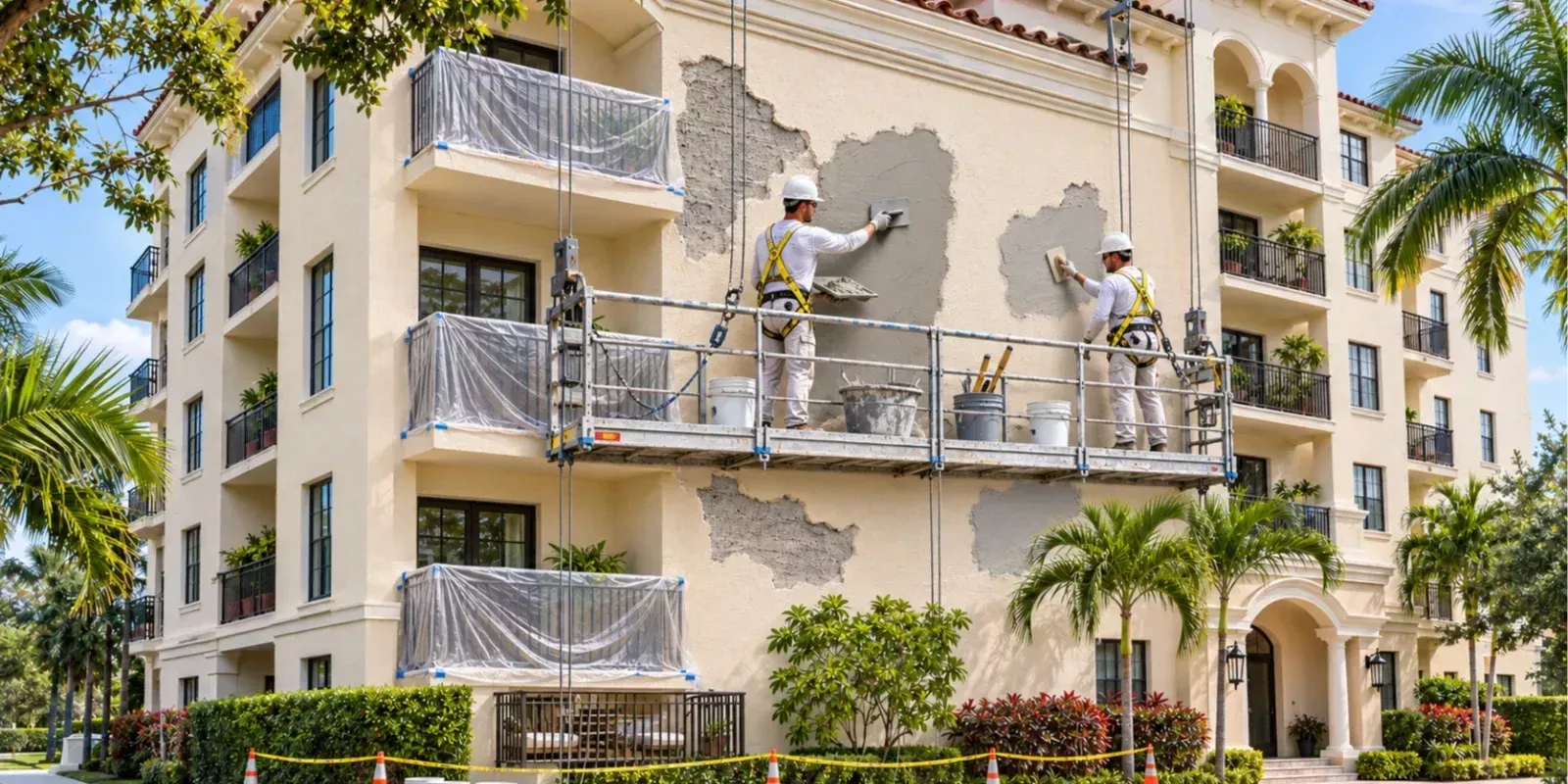
Following the 2021 Surfside condominium collapse, Miami-Dade strengthened its building recertification requirements. The initial inspection generally moved from 40 years to 30 years, or 25 years for condominium and cooperative buildings three stories or taller located within three miles of the coastline. Recertification is required every 10 years thereafter. Older buildings may follow an established schedule or transition requirements, so each building’s deadline should be verified with the local building department. www.miamidade.gov
The process includes structural and electrical inspections performed by qualified Florida-licensed professionals. Required reports must generally be submitted within 90 days of the official notice, and identified repairs must follow applicable permitting procedures. Miami-Dade’s recertification program meets or exceeds Florida’s milestone inspection requirements. www.miamidade.gov
Recertification is separate from the Structural Integrity Reserve Study (SIRS). While recertification evaluates the building’s condition and safety, the SIRS helps associations plan funding for future major repairs and replacements. Completing one does not eliminate the other requirement.
What are the Broward County Building Recertification Requirements?
Broward County’s Building Safety Inspection Program generally requires qualifying buildings to undergo their first inspection at 25 years, followed by inspections every 10 years. Unlike Miami-Dade’s coastal and inland distinction, Broward’s current 25-year requirement applies countywide to buildings covered by the program.
The process includes structural and electrical inspections performed by a qualified Florida-licensed engineer or registered architect. Owners generally have 180 days from the official notice to submit signed and sealed reports to their local building department. If repairs are necessary, they generally must be completed within 180 days of the inspection report, unless the building official specifies otherwise or approves an extension. After repairs, the inspecting professional must reinspect and submit documentation confirming completion and safety for continued use.
Common exemptions include single-family through four-family dwellings with three or fewer habitable stories, fee-simple townhouses, and qualifying minor structures with a building area under 3,500 square feet. A low-rise condominium is not automatically exempt simply because it has fewer than three stories.
Possible Solutions for Recertification
There are several approaches to ensure successful recertification:
-Address Structural Issues
Make necessary repairs or modifications to ensure compliance with safety codes.
-Maintain Open Communication with the Condo Association
Stay informed about any changes in regulations or requirements that may affect recertification.
Common Mistakes to Avoid
Error 1: Ignoring Recertification Notices
Failing to respond to notices can lead to complications and penalties.
Error 2: Delaying Repairs
Procrastinating on necessary repairs can worsen issues and complicate recertification.
Error 3: Lack of Documentation
Not keeping records of maintenance and repairs can hinder the recertification process.
Hypothetical Case Study 1: A Seller's Dilemma
SITUATION: A condo owner wants to sell their unit but has not completed the recertification process.
Frequently Asked Questions
Why does recertification occur?
Recertification ensures that condos meet safety and structural standards set by local authorities.
How can I solve recertification issues?
Get involved with the board and offer your help to expedite the process.
What happens if condo property owners ignore recertification?
Ignoring recertification can lead to legal penalties and complications in selling your property.
What should I check first for recertification?
Review the last recertification date and contact the city if you have any questions.
What You Can Do Now
Understanding the recertification process is essential for both buyers and sellers. Ensure you are informed about the requirements, review your situation, and take necessary actions to comply with regulations. Avoid common mistakes and consider professional help to navigate this process effectively.
Disclaimer: The information provided in this blog is for general informational and educational purposes only and should not be considered legal, financial, tax, or investment advice. While every effort is made to ensure accuracy, real estate market conditions, statistics, regulations, and property information are subject to change and may not always reflect the most current data. Readers are encouraged to independently verify information and consult qualified professionals before making real estate decisions. © Inés Garcia | Real Estate Advisor & Broker Associate | Coldwell Banker Realty

Ines Garcia PA
About Inés Garcia-Arcaya
Real Estate Advisor | Broker Associate, Coldwell Banker Realty Coral Gables
More than properties — I deliver peace of mind.
Real estate decisions are complex and the stakes are high. I help buyers and sellers move forward with confidence by combining deep market knowledge, broker-level experience, and an architecture-trained eye. My role goes beyond managing a transaction. I help you understand the numbers, see what others may overlook, avoid costly mistakes, and move through the process with clarity and less stress.
Because true luxury isn't only what you buy or sell — it's how protected, informed, and at ease you feel along the way.
Based in Coral Gables, I specialize in helping Coral Gables homeowners sell, downsize, and make their next real estate move with clarity and confidence. As a Coral Gables listing agent and Broker Associate, I work with homeowners and condo owners throughout the area, bringing a strategic and practical approach to the sale of Coral Gables homes and condominiums.
With more than 25 years of real estate experience in South Florida, my background is a little different from most agents. I studied architecture in Venezuela, earned an MBA from the University of Miami, and spent years in brokerage leadership — including serving as managing broker for one of the largest real estate firms in South Florida. That combination shapes everything about how I work. I look at properties through the lens of design, function, and long-term value. I analyze pricing and strategy with a business mindset. And I bring the kind of transactional experience that only comes from having seen hundreds of deals from every angle.
I've lived in South Florida since 2000 and currently call Downtown Coral Gables home — a city I genuinely love for its walkability, architecture, and sense of community. That's not a marketing line. It means I know these neighborhoods personally, not just professionally.
For sellers, my role includes pricing strategy, preparing and positioning the property, identifying potential issues before they become obstacles, marketing, negotiating, and managing the transaction through closing. My goal is not simply to put a property on the market, but to help each seller make informed decisions about timing, preparation, pricing, and the strategy that best supports their goals.
I also work with homeowners who are downsizing or simplifying their lifestyle, helping them evaluate what to sell, where to go next, and how to coordinate the transition. Downsizing is often more than a real estate transaction. It can involve deciding what comes next, understanding the financial implications of different options, preparing a longtime home for sale, and coordinating all that is involved, at once. My role is to help make that process more manageable and less overwhelming.
Real estate involves many moving parts: pricing, timing, condition, contracts, inspections, insurance, financing, associations, negotiations. My job is to simplify all of it — without sugarcoating the hard parts. I believe in honest advice, even when it's not what someone wants to hear. I'd rather have a direct conversation early than let a client move forward on incomplete information.
If you're buying, selling, downsizing, leasing, or just trying to understand the Coral Gables or South Florida real estate market — I'm happy to talk.
My Values
Positive Impact
My goal is to positively impact the people around me by transforming the experience of buying and selling real estate into a relationship based on education, guidance, and enjoyment.
Trust
What you see is what you get. I believe in transparent relationships, honest advice, and consistent communication throughout the process.
Congruence
I follow my heart, but most importantly, I let my clients' needs, interests, and goals lead the relationship.
The REAL Customer Experience
I apply my knowledge and experience to simplify the complexities of the real estate process, helping my clients feel informed, confident, and supported every step of the way.


